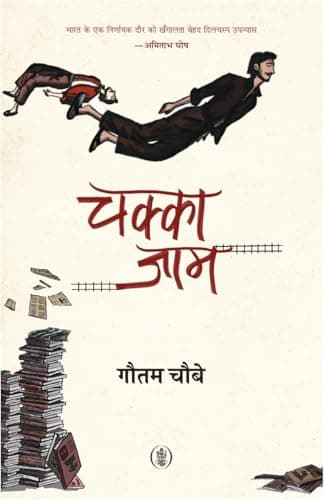
Chakka Jaam by Gautam Choubey
#ChakkaJaam
#GautamChoubey
प्रिय मित्र और पड़ोसी, श्री उमंग चतुर्वेदी की अनुशंसा पर, मैंने यह पुस्तक नवंबर के पहले सप्ताह में शुरू की और आज समाप्त कर दी है। यह हिंदी उपन्यास दिल्ली विश्वविद्यालय में अंग्रेज़ी के सहायक प्रोफेसर, श्री गौतम चौबे की पहली मौलिक कृति है।
हर अच्छे साहित्य की परिभाषित विशेषता यह है कि वह भाषा, भूगोल और संस्कृति की सीमाओं को पार कर जाता है और सीधे मानवीय सहज ज्ञान (Human Instincts) को अपील करता है, क्योंकि हर इंसान अपने स्थान की परवाह किए बिना जीवन में समान प्रकार के मुद्दों का सामना करता है — असुरक्षाएँ, कमज़ोरियाँ, आकांक्षाएँ और नैतिक/धार्मिक दुविधाएँ। मेरे लिए इस पुस्तक में ये सभी तत्व हैं और बोनस के तौर पर लगभग पूर्ण आत्मीयता (relatability) भी है।
बक्सर, आरा, पटना और हटिया जैसे स्थान इस उपन्यास की कहानी की पृष्ठभूमि बनाते हैं; और बक्सर का मूल निवासी होने और अपने प्रारंभिक वर्ष राँची में बिताने के कारण, मुझे सब कुछ इतना अंतरंग प्रतीत हुआ, यहाँ तक कि दूबे परिवार की पृष्ठभूमि भी, जो कहानी के लिए मूल ढाँचा प्रदान करती है। मैं किशोरावस्था से ही एक अक्षमाप्रार्थी फ़िल्म प्रेमी (unapologetic film buff) रहा हूँ और यह पुस्तक 1960 और 1970 के दशक की हिंदी फ़िल्मों से काफ़ी कुछ लेती है। उपन्यास के मुख्य पात्र, देवानंद दूबे, का नामकरण दिग्गज हिंदी फ़िल्म अभिनेता देवानंद के नाम पर किया गया है।
एक युवा, आत्मविश्वासीहीन व्यक्ति (diffident man) के संघर्षों और क्लेशों के साथ हिन्दी सिनेमा का संयोजन (Juxtaposition) बेजोड़ है ।एक ऐसे के युवा के साथ यह संयोजन, जो बिना किसी योग्यता के, दुनिया में पैर जमाने की कोशिश कर रहा है—एक ऐसी दुनिया जो जीवन की प्राथमिक ज़रूरतों के लिए भी अपना 'पौंड ऑफ़ फ़्लेश' निकाल लेती है, उत्कृष्ट है। यह बहुत ही अच्छा है।
चूँकि मैं चाहूँगा कि मेरे कुछ दोस्त यह किताब पढ़ें, इसलिए पूरी कहानी सुनाना अनुचित होगा, सिवाय इसके कि इसका बड़ा हिस्सा 1970 के दशक की शुरुआत के बिहार से संबंधित है, जब सरकार के ख़िलाफ़ हड़तालें, आंदोलन और प्रदर्शन हो रहे थे, जो जेपी के संपूर्ण क्रांति आंदोलन के अग्रदूत (precursor) थे। जिस तरह से एक साधारण व्यक्ति का जीवन ऐसी महत्त्वपूर्ण घटनाओं से जो पूरे राष्ट्र के लिए इतिहास का मार्ग बदल देती हैं, से प्रभावित होता है, इस बात का विवरण इस किताब में बहुत ही उपयुक्त (very apt) है।
मैं ग़लत हो सकता हूँ, लेकिन ऐसा लगता है कि इस पुस्तक को सलमान रुश्दी की "मिडनाइट्स चिल्ड्रन" से कुछ प्रेरणा मिली है, जिसमें मुख्य अंतर यह है कि प्रमुख घटनाओं का स्थान बंबई से हटकर बिहार हो गया है। एक और बड़ा अंतर यह है कि "मिडनाइट्स चिल्ड्रन" के विपरीत, यह पुस्तक जादुई यथार्थवाद (Magical Realism) पर इतनी भारी नहीं है, जिसे मैं अनिवार्य रूप से कोई सीमा (limitation) नहीं मानता।
बिहार/झारखंड के सभी मित्रों को यह विशाल पुस्तक उठा लेनी चाहिए और बक्सर, राँची, पटना, भादरा, कोयलाडीह और हटिया के बीते दिनों में डूब जाना चाहिए। मैं आपको विश्वास दिलाता हूँ कि आपको यह प्रयास भरपूर फलदायी लगेगा।
PS: the above views in Hindi is translation of my impressions of the book that I typed out hurriedly in English. I resorted to English because typing in Devanagiri is tedious (for me) and very often I struggle for proper Hindi word. This is regrettable for somone hailing from Hindi heartland, who had completed school education in a Hindi medium school. The moot point is that this translation is made with the help of Gemini 3 and I fiund it quite good.
The original English version of my impressions is reproduced below:
On the recommendations of dear friend and neighbour, Shri Umang Chaturvedi, I started this book in the first week of November and have finished today. This Hindi novel is the debutant original work by Shri Gautam Choubey, an Assistant Professor of English in Delhi University.
Defining characteristic of every good literature is that it transcends the boundaries of language, geography and culture and appeals directly to the human instincts because every human being faces same kind of issues in life irrespective of their position - the insecurities, the vulnerabilities, the aspirations and moral/ ethical dilemmas. For me this book has all these and almost compete relatability as bonus. Places like Buxar, Arrah, Patna and Hatia form the background of the story and being a native of Buxar and having spent my formative years in Ranchi, everything appeared so intimate, even the background of Dubey family, which provides the basic framework for the story. I have been an unapologetic film buff ever since my adolescent years and the book draws heavily from Hindi films of 1960s and 1970s. The main protagonist of the novel, Devanand Dubey is named after the legendary Hindi film actor Devanand.
Juxtaposition of Hindi films with the trials and tribulations of a young diffident man, without any merits, trying to find a foothold in the world which extracts it’s pound of flesh even for elementary needs of the life is brilliant. Since I would love that some of my friends read the book, it would be unwise to narrate the full story, except that the major part of it relates to Bihar of early 1970s when strikes, agitations and demonstrations against government as precursor to JP’s Sampurn Kranti Andaolan had become regular. The way life of an ordinary person is affected by such momentous events that change the course of history for entire nation is very insightful. I may be wrong but the book does seem to have some similarity with Salman Rushdie’s “Midnight Children”, with major difference that the place of main events has shifted from Bombay to Bihar. Another major difference is that unlike “Midnight Children”, this book is not so heavy on magical realism, which I do not consider necessarily a limitation.
All friends from Bihar/ Jharkhand would do well to pick this tome and immerse themselves in the nostalgia of bygone days of Buxar, Ranchi, Patna, Bhadra, Koyaladih and Hatia. I assure you that you will find the effort amply rewarding.
#GautamChoubey
प्रिय मित्र और पड़ोसी, श्री उमंग चतुर्वेदी की अनुशंसा पर, मैंने यह पुस्तक नवंबर के पहले सप्ताह में शुरू की और आज समाप्त कर दी है। यह हिंदी उपन्यास दिल्ली विश्वविद्यालय में अंग्रेज़ी के सहायक प्रोफेसर, श्री गौतम चौबे की पहली मौलिक कृति है।
हर अच्छे साहित्य की परिभाषित विशेषता यह है कि वह भाषा, भूगोल और संस्कृति की सीमाओं को पार कर जाता है और सीधे मानवीय सहज ज्ञान (Human Instincts) को अपील करता है, क्योंकि हर इंसान अपने स्थान की परवाह किए बिना जीवन में समान प्रकार के मुद्दों का सामना करता है — असुरक्षाएँ, कमज़ोरियाँ, आकांक्षाएँ और नैतिक/धार्मिक दुविधाएँ। मेरे लिए इस पुस्तक में ये सभी तत्व हैं और बोनस के तौर पर लगभग पूर्ण आत्मीयता (relatability) भी है।
बक्सर, आरा, पटना और हटिया जैसे स्थान इस उपन्यास की कहानी की पृष्ठभूमि बनाते हैं; और बक्सर का मूल निवासी होने और अपने प्रारंभिक वर्ष राँची में बिताने के कारण, मुझे सब कुछ इतना अंतरंग प्रतीत हुआ, यहाँ तक कि दूबे परिवार की पृष्ठभूमि भी, जो कहानी के लिए मूल ढाँचा प्रदान करती है। मैं किशोरावस्था से ही एक अक्षमाप्रार्थी फ़िल्म प्रेमी (unapologetic film buff) रहा हूँ और यह पुस्तक 1960 और 1970 के दशक की हिंदी फ़िल्मों से काफ़ी कुछ लेती है। उपन्यास के मुख्य पात्र, देवानंद दूबे, का नामकरण दिग्गज हिंदी फ़िल्म अभिनेता देवानंद के नाम पर किया गया है।
एक युवा, आत्मविश्वासीहीन व्यक्ति (diffident man) के संघर्षों और क्लेशों के साथ हिन्दी सिनेमा का संयोजन (Juxtaposition) बेजोड़ है ।एक ऐसे के युवा के साथ यह संयोजन, जो बिना किसी योग्यता के, दुनिया में पैर जमाने की कोशिश कर रहा है—एक ऐसी दुनिया जो जीवन की प्राथमिक ज़रूरतों के लिए भी अपना 'पौंड ऑफ़ फ़्लेश' निकाल लेती है, उत्कृष्ट है। यह बहुत ही अच्छा है।
चूँकि मैं चाहूँगा कि मेरे कुछ दोस्त यह किताब पढ़ें, इसलिए पूरी कहानी सुनाना अनुचित होगा, सिवाय इसके कि इसका बड़ा हिस्सा 1970 के दशक की शुरुआत के बिहार से संबंधित है, जब सरकार के ख़िलाफ़ हड़तालें, आंदोलन और प्रदर्शन हो रहे थे, जो जेपी के संपूर्ण क्रांति आंदोलन के अग्रदूत (precursor) थे। जिस तरह से एक साधारण व्यक्ति का जीवन ऐसी महत्त्वपूर्ण घटनाओं से जो पूरे राष्ट्र के लिए इतिहास का मार्ग बदल देती हैं, से प्रभावित होता है, इस बात का विवरण इस किताब में बहुत ही उपयुक्त (very apt) है।
मैं ग़लत हो सकता हूँ, लेकिन ऐसा लगता है कि इस पुस्तक को सलमान रुश्दी की "मिडनाइट्स चिल्ड्रन" से कुछ प्रेरणा मिली है, जिसमें मुख्य अंतर यह है कि प्रमुख घटनाओं का स्थान बंबई से हटकर बिहार हो गया है। एक और बड़ा अंतर यह है कि "मिडनाइट्स चिल्ड्रन" के विपरीत, यह पुस्तक जादुई यथार्थवाद (Magical Realism) पर इतनी भारी नहीं है, जिसे मैं अनिवार्य रूप से कोई सीमा (limitation) नहीं मानता।
बिहार/झारखंड के सभी मित्रों को यह विशाल पुस्तक उठा लेनी चाहिए और बक्सर, राँची, पटना, भादरा, कोयलाडीह और हटिया के बीते दिनों में डूब जाना चाहिए। मैं आपको विश्वास दिलाता हूँ कि आपको यह प्रयास भरपूर फलदायी लगेगा।
PS: the above views in Hindi is translation of my impressions of the book that I typed out hurriedly in English. I resorted to English because typing in Devanagiri is tedious (for me) and very often I struggle for proper Hindi word. This is regrettable for somone hailing from Hindi heartland, who had completed school education in a Hindi medium school. The moot point is that this translation is made with the help of Gemini 3 and I fiund it quite good.
The original English version of my impressions is reproduced below:
On the recommendations of dear friend and neighbour, Shri Umang Chaturvedi, I started this book in the first week of November and have finished today. This Hindi novel is the debutant original work by Shri Gautam Choubey, an Assistant Professor of English in Delhi University.
Defining characteristic of every good literature is that it transcends the boundaries of language, geography and culture and appeals directly to the human instincts because every human being faces same kind of issues in life irrespective of their position - the insecurities, the vulnerabilities, the aspirations and moral/ ethical dilemmas. For me this book has all these and almost compete relatability as bonus. Places like Buxar, Arrah, Patna and Hatia form the background of the story and being a native of Buxar and having spent my formative years in Ranchi, everything appeared so intimate, even the background of Dubey family, which provides the basic framework for the story. I have been an unapologetic film buff ever since my adolescent years and the book draws heavily from Hindi films of 1960s and 1970s. The main protagonist of the novel, Devanand Dubey is named after the legendary Hindi film actor Devanand.
Juxtaposition of Hindi films with the trials and tribulations of a young diffident man, without any merits, trying to find a foothold in the world which extracts it’s pound of flesh even for elementary needs of the life is brilliant. Since I would love that some of my friends read the book, it would be unwise to narrate the full story, except that the major part of it relates to Bihar of early 1970s when strikes, agitations and demonstrations against government as precursor to JP’s Sampurn Kranti Andaolan had become regular. The way life of an ordinary person is affected by such momentous events that change the course of history for entire nation is very insightful. I may be wrong but the book does seem to have some similarity with Salman Rushdie’s “Midnight Children”, with major difference that the place of main events has shifted from Bombay to Bihar. Another major difference is that unlike “Midnight Children”, this book is not so heavy on magical realism, which I do not consider necessarily a limitation.
All friends from Bihar/ Jharkhand would do well to pick this tome and immerse themselves in the nostalgia of bygone days of Buxar, Ranchi, Patna, Bhadra, Koyaladih and Hatia. I assure you that you will find the effort amply rewarding.